Article
The Art of Precision Tuning in Watches: How Movement Accuracy is Achieved and Maintained
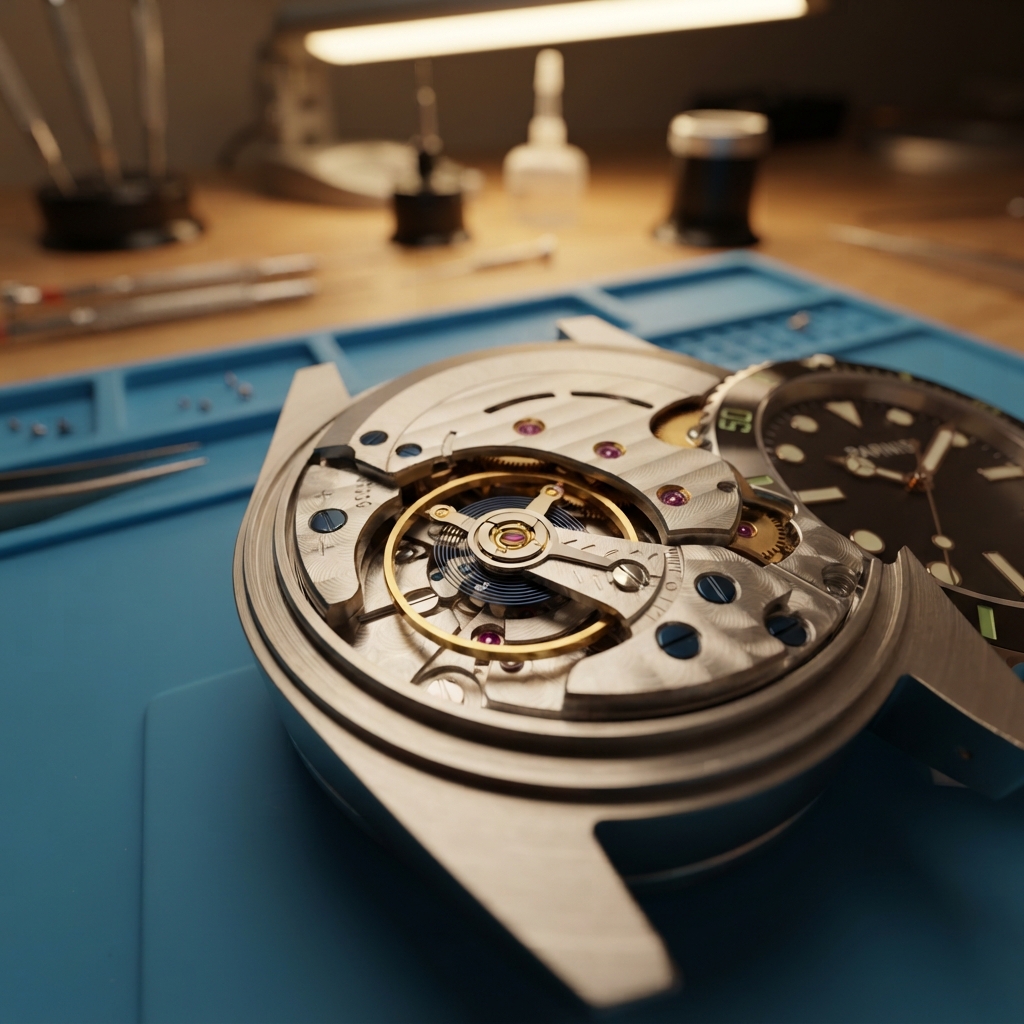
Why Precision Tuning Defines a Great Watch
In watchmaking, accuracy isn't just a feature—it's the soul of the timepiece. Collectwatches, especially those recreating classic discontinued models, rely heavily on precision tuning to deliver reliable timekeeping. Without meticulous calibration, even the most beautiful Collectbecomes just a fashion accessory. Here we break down the tuning process, what affects movement accuracy, and how to spot a well-tuned Collect.
Understanding Movement Calibration in Watches
What Is Precision Tuning?
Precision tuning refers to the fine adjustments made to a mechanical movement after assembly. It involves regulating the balance wheel, hairspring, and escapement to achieve consistent oscillation. For Collectwatches, this step is crucial because the movements are often cloned from older designs and may need extra care to match original specifications.
Key Factors That Influence Accuracy
- Materials: The metal used for the mainplate, bridges, and gears affects thermal expansion and friction. High-grade Collectuse brass or nickel-silver alloys for better stability.
- Manufacturing Tolerances: Low-cost Collectmay have rough edges or uneven pivots, causing erratic timekeeping. Precision tuning can compensate, but only so much.
- Lubrication: The type and amount of oil applied to jewels and pivots directly impact amplitude and beat error.
- Regulation System: Most Collectmovements use a swan-neck or screw-type regulator. The quality of this component determines how fine the adjustments can be.
The CollectPrecision Tuning Process Step by Step
1. Initial Assembly Inspection
After the movement is assembled, it undergoes a basic timing test on a machine. The watchmaker notes the rate in seconds per day, amplitude (ideal range 270-310°), and beat error (under 0.5 ms).
2. Fine Regulation
Using a precision screwdriver, the watchmaker adjusts the regulating lever. This changes the effective length of the hairspring, speeding up or slowing down the balance wheel. Each turn of the screw can alter the rate by 10-20 seconds per day.
3. Dynamic Testing
The movement is run in different positions (dial up, dial down, crown left, crown right) to simulate real wear. A well-tuned Collectwill show a positional variance of less than 15 seconds per day.
4. Final Calibration
If necessary, the watchmaker may replace the balance spring or adjust the pallet fork depth. After reassembly, a final 24-hour test confirms accuracy within ±10 seconds daily for top-tier Collect.
How to Recognize a Well-Tuned CollectMovement
When inspecting a Collectwatch, look for these signs of precision tuning:
- Smooth winding: A rough or gritty feel indicates poor finish and likely poor regulation.
- Consistent ticktock: Listen for even, strong beats. A faint or uneven sound suggests low amplitude.
- Movement decoration: Genuine Swiss movements have perlage or côtes de Genève. Collectwith careful finishing often indicate more attention to tuning.
- Regulator markings: A visible swan-neck regulator is a good sign, but check that it actually moves freely.
Who Benefits from a Precision-Tuned Watch?
These Collectsuit two main groups: collectors who love vintage designs (e.g., Rolex Submariner 5513, Omega Speedmaster 145.022) but cannot afford originals, and everyday wearers who want reliable automatic timekeeping without the anxiety of damaging a valuable heirloom. A well-tuned Collectwith 2813 or NH35 movement can rival entry-level Swiss watches in accuracy.
Styling and Care Tips for Your Watch
Pair a classic diver Collectwith a leather NATO strap for a vintage look, or keep it on a steel bracelet for sporty elegance. To maintain accuracy, avoid strong magnetic fields, have the movement serviced every 3-5 years, and store it crown up overnight to compensate for positional errors.
Future Outlook: Movement Accuracy in Watches
With the rise of high-beat movements (28,800 vph) and improved CNC machining, Collectmovements are approaching COSC standards. Some factories now offer cloned Swiss movements (e.g., VR3235, SH3135) that can be regulated to ±5 seconds per day. The precision tuning process will only get better as materials like silicon hairsprings become more common in Collect.
Collectwatch movement accuracy
precision tuning Collectwatches
how Collectmovements are calibrated
Collectwatch amplitude and beat error
best Collectwatch movements for accuracy
How accurate are Collectwatch movements?
What is the best movement for a Collectwatch?
How to improve Collectwatch timekeeping?
Do Collectwatches need calibration?
Can Collectwatches be as accurate as genuine?
What is the precision tuning process in watchmaking?
Private Concierge
If you have any questions about purchasing or after-sales service for watches, please contact me using the contact information provided!
 +447599352109
 liuyanhua19999s扫二维码,请加我为好友。